BBC News
Top story
HMRC to use AI from British tech firm to spot fraud and tax return errors
Quantexa, a financial data platform, won the £175m contract to spot fraud and tax return errors.
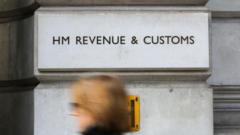
HM Revenue and Customs has announced a 10-year, £175m deal with the British tech firm Quantexa to provide AI-powered technology to help improve its performance.
Quantexa says its systems will combine data collected by HMRC with external sources to help the tax office identify incidents of fraud and fix unintentional errors more quickly.
Its tasks will include helping HMRC to assist customer service staff, as well as to identify hidden networks of companies and individuals masking fraudulent activity. Public dissatisfaction with HMRC performance has crept up in recent years, according to government figures.
A Freedom of Information request made by the campaigners at the Contentious Tax Group found there were more than 93,000 complaints made about the department in 2024-2025 . This was an increase from just over 70,000 in 2020-21, with one of the main gripes about poor response times.
Quantexa says automated decisions about tax payers made by AI will still need to be checked by people. Quantexa chief executive Vishal Marria told the BBC the new technology was designed to "support human decision-making, not replace it". "In government environments, AI cannot operate as a black box.
Decisions need to be transparent, auditable, and explainable, particularly in areas affecting citizens directly," he said. He also said HMRC data would remain secure, and staff working with the government department would remain separate from the rest of the business.
"We never take HMRC data away from the HMRC environment," he added. The company also said it will help in tracking down legitimate payments made to HMRC made under the wrong reference number. The appointment of a British company is in line with the government's efforts to build what's known as "digital sovereignty".